Why Electric Yard Tugs Are Better for Warehouses in 2026
Warehouse and yard operations have evolved dramatically over the last few years. Labor shortages, rising diesel costs, new emissions regulations, densified industrial real estate, and the push for automation have all transformed how facilities think about trailer movement.
In 2026, the shift is clear:
Electric yard tugs are rapidly replacing diesel yard trucks as the standard for modern warehouse operations.
They’re cleaner.
They’re safer.
They cost less to operate.
And — most importantly — they align with how warehouses actually move trailers today.
This updated 2026 guide explains why so many facilities are now switching to electric yard tugs as their primary yard equipment.
1. Diesel Yard Trucks No Longer Make Financial Sense in 2026
A diesel spotter isn’t just a big purchase — it’s a growing liability.
Upfront Cost (unchanged):
$150,000 – $250,000
But 2026 operating costs are even worse than previous years:
- Diesel prices continue trending upward
- Parts and maintenance lead times have slowed
- New emissions components are more expensive
- Diesel engine repairs now require certified technicians
- Insurance premiums for diesel-powered equipment have increased
- CDL labor shortages are at a record high
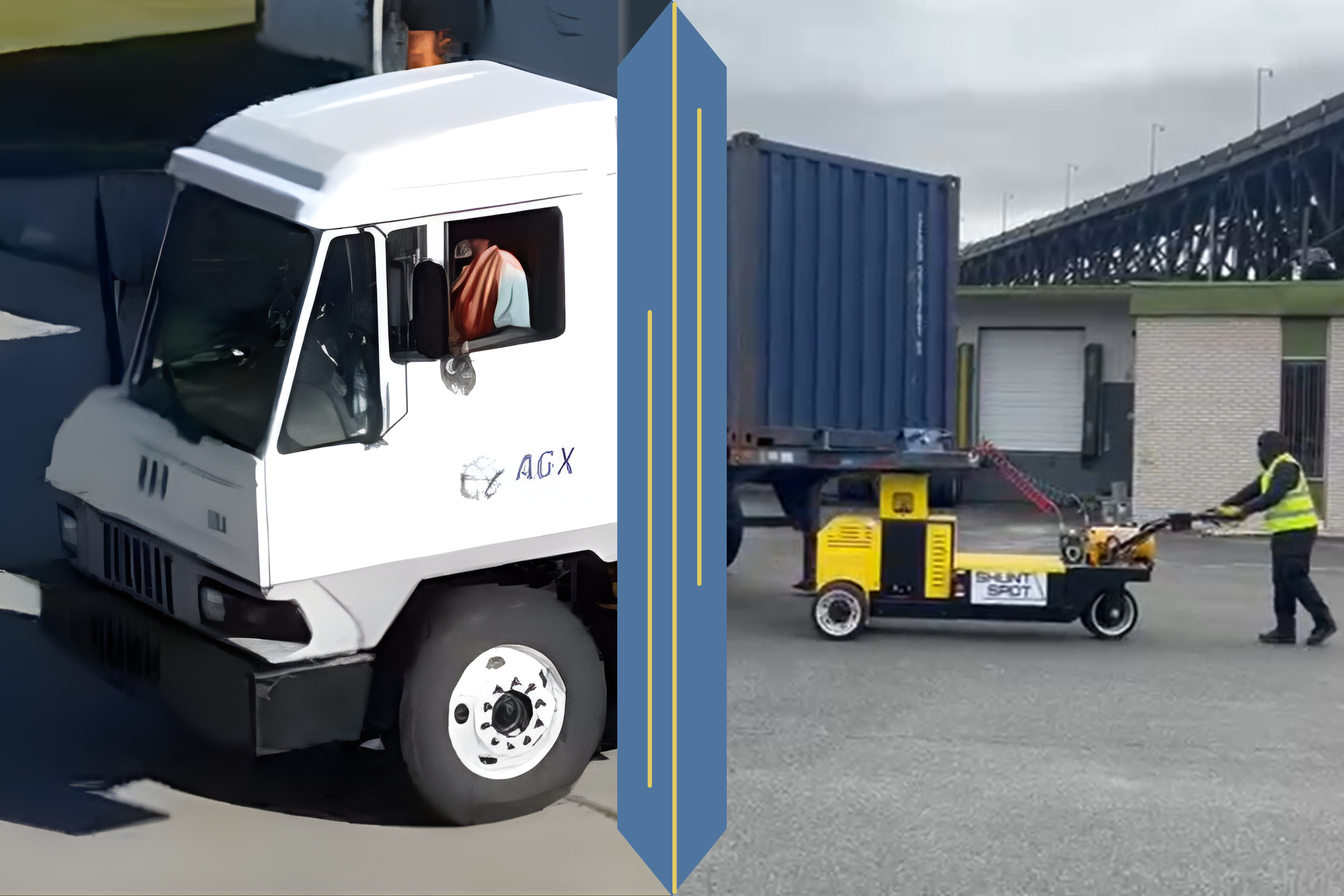
For any warehouse moving fewer than 40 – 50 trailers per day, a diesel spotter is simply overkill — both economically and operationally.
This is driving many facilities to evaluate electric alternatives for the first time.
2. Electric Yard Tugs Offer the Lowest Total Cost of Ownership in 2026
Electric yard tugs eliminate most of the major cost drivers associated with diesel.
Electric tug ownership means:
- No diesel fuel cost
- No DEF
- No oil changes
- No transmission repairs
- No heavy engine maintenance
- Far fewer moving parts
- Lower insurance exposure
On top of that:
Battery technology improved significantly in 2025 – 2026
- Longer runtime
- Faster charging
- Lower heat output
- Higher cycle life
Meaning:
Electric yard tugs now last longer per charge AND over their lifespan.
In 2026, the cost argument overwhelmingly favors electric.
3. Warehouses Need Precision, Not Power — and Electric Tugs Deliver It
Diesel yard trucks were engineered for:
- High-speed movement
- Long yard loops
- Very large campuses
Most warehouses in 2026 don’t look like that anymore.
Industrial real estate has densified.
Urban fulfillment centers are standard.
Local manufacturing facilities are packed tighter.
Shared yards are more common.
Electric tugs are designed specifically for these realities:
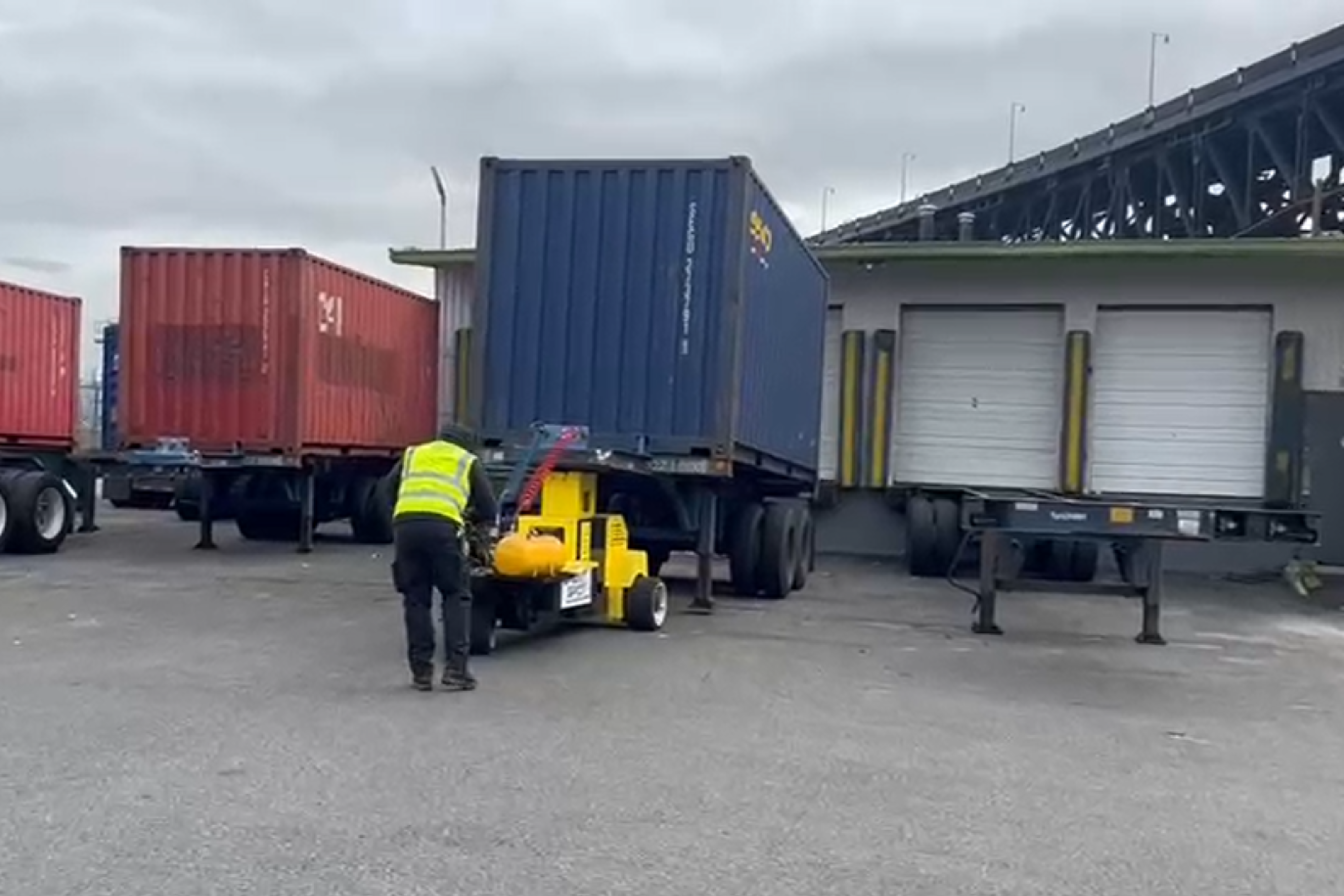
- Slow, controlled, walk-behind precision
- Tight turning radius
- High visibility
- Minimal blind spots
- Indoor/outdoor operability
- Lightweight footprint
This is why over 70% of warehouses are better matched to electric tug capabilities than to diesel spotters in 2026.
4. 2026 Safety Requirements Favor Electric Tugs
Warehouses today face stricter safety expectations:
- Pedestrian-heavy yards
- More forklifts and cross-traffic
- Tighter dock lines
- Higher incident reporting standards
- ESG and corporate compliance reviews
Electric yard tugs drastically reduce safety risks:
Electric Tug Safety Advantages:
- Slow, predictable movement
- Walk-behind proximity
- Automatic braking
- Zero blind spots
- No climbing into a cab
- No engine vibration or noise masking hazards
In sectors like food distribution, pharmaceuticals, retail DCs, and packaging, electric tugs are becoming a safety standard rather than an option.
5. Sustainability Is No Longer Optional — It’s Required
2026 has brought stricter sustainability and emissions rules:
Across the U.S.:
- New Jersey warehouse diesel restrictions
- California zero-emission yard tractor requirements
- New York industrial emissions compliance
- EPA diesel fleet reduction initiatives
Across enterprise supply chains:
- ESG audits
- Carbon reporting requirements
- Greenhouse gas reduction commitments
Electric yard tugs eliminate diesel emissions completely, making sustainability compliance effortless.
For companies aiming to meet 2026–2030 goals, buying an electric tug is a direct, measurable win.
6. Noise Restrictions Continue Tightening in 2026
Diesel yard trucks produce:
- Loud idle noise
- Vibrations
- Hard reversals
- Turbo whine
Electric tugs are nearly silent — a major advantage for:
- Night shift warehouses
- Urban or mixed-use industrial zones
- Shared yards
- Tenants near residential neighborhoods
Many buildings and industrial parks now require low-noise yard equipment, making electric the only compliant solution moving forward.
7. Electric Yard Tugs Provide Unmatched Reliability During Volume Surges
Warehouses in 2026 face more unpredictable volume patterns than ever:
- E-commerce spikes
- Seasonal peaks
- New customer onboarding
- Last-mile carrier fluctuations
When you own an electric tug, you can:
- Instantly increase internal capacity
- Avoid diesel breakdown downtime
- Keep docks moving during unexpected surges
- Maintain performance across both shifts
- Support multi-campus operations without renting or contracting help
Electric tugs provide reliability that diesel spotters simply can’t match anymore.
2026 Is the Year Electric Yard Tugs Become the Industry Standard
Electric yard tugs are no longer a niche alternative — in 2026, they are the superior operational, financial, and regulatory choice for most warehouses.
If your facility needs:
- Short-distance trailer movement
- Tight-space maneuverability
- Lower operating costs
- Non-CDL operation
- Safer, quieter yard handling
- Long-term sustainability compliance
- Reliable performance during surges
…then buying an electric yard tug is the smartest investment you can make in 2026.
Warehouses across the U.S. — especially in New Jersey, New York, Pennsylvania, Florida, Illinois, and California — are adopting electric yard tugs as the new operational baseline.
In 2026, electric yard tugs aren’t just better.
They’re the future.